Social media in the work place
Social media in the work place - Staff using social media in the work place can become a problem, productivity and performance can be affected by the time spent..link

Wales operates a soft opt-out system for organ and tissue donation. The system, known legally as deemed consent, came into force on 1 December 2015 under the Human Transplantation (Wales) Act 2013. This means that some adults who die in Wales may be treated as having no objection to organ donation unless they have recorded a decision to opt out or fall within an excluded group. Everyone still has a choice. You can:



This is a highly specialised area of the Law and covers both aircraft and their facilities as well as many other areas detailed here.
link
As a charity it is important to understand your legal obligations and rights, a Charity Law solicitor swill be able to help with this, find Charity Law Solicitors from Solicitors.com
link
Solicitors.com - if you are looking to take action under the Human Rights Act, understand your rights and how a solicitor can assist you.
link

We have produced a few guides to help you but would recommend that you speak to a solicitor as all situations are different.
link



If you are looking to buy a property abroad you will need expert legal advice, this section details services provided, and offers guidance on how to find a solicitor for your needs.
linkOver 2000 section 60 notices have been issued in London last year..
linkSocial media in the work place - Staff using social media in the work place can become a problem, productivity and performance can be affected by the time spent..link
Human Rights Act - The new Conservative Government will move fast to abolish the Human Rights Act, it is expected that the Government will announce many legisla..link
Discrimination at work.
A person must not be treated differently to any other employee because of their .....link
Police Chiefs are calling for a change in the 'stop and search' l..
linkIf the crime is ongoing call 999, you should not put yours or anyone else’s safety at risk by taking action yourself...link
Discrimination.
All forms of discrimination are illegal, some are moral issues about how we conduct ourselves in everyday life, for example, are we discriminat..link
Unfortunately, not everyone is respectful in life, most of the time we just move on and keep our opinion to ourselves, but when that comes to where we live you..link
If the crime is ongoing call 999, you should not put yours or any..
linkToo hot to work - As the country swelters many employees are thinking just how hot does it need to be until I can’t work, after all there is a minimum temperatu..link
New guidelines have been issued to crack down on online hate...link
The controversial Communications Data Bill is being revived to introduce a
wide range of laws allowing public bodies to gain access to historic private
commun..link
Solicitors.com are not a firm of solicitors, and any content on the site should not be used in substitute for obtaining Legal advice from a solicitor regulated in the UK, Solicitors.com recommends that you contact a firm of solicitors to discuss your individual legal requirement. Whilst we strive to bring you accurate up to date content, all content on this site is not legal advice and is not guaranteed to be correct. Use of this site does not create a client relationship.

Step by step guide to help you understand the process of Conveyancing and moving.
link.jpg)
We have put together a few guidance notes for your help with Criminal law matters, if you require a solicitors please use the search facility or ask a question.
link
If you are looking for a commercial solicitor understand your options by contacting one of the 100s of commercial law firms on solicitors.com
link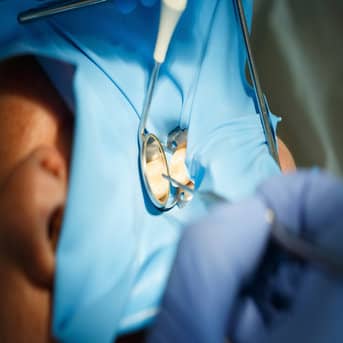
If you are considering making a claim for Medical Negligence understand your rights and the process, find a medical compensation solicitor via solicitors.com
link
The amount of money owing may dictate the route you take to reclaim your money, we recommend that you discuss your situation with a solicitor, or you can call the CAB on 0808 223 1133.
link
To undertake a dental negligence claim you must have sustained an injury or damage, as a result of the dental treatment understand the options available to you.
link

Family Law Solicitors can help you resolve the problems which may arise in the break-up of relationships, including financial issues and matters concerning any children.
link
Will be able to assist on all areas of Motoring Law for Example Drink Driving, Dangerous Driving, Careless Driving, Totting Up, Speeding, Driving Without Insurance motor offences.
link
Find a solicitor that can assist with wills, probate and estate planning in your area.
link